Population characteristics and ex situ conservation actions for the Critically Endangered (CR) Liquidambar orientalis Mill.
“Population characteristics and ex situ conservation actions for the Critically Endangered (CR) Liquidambar orientalis Mill.”
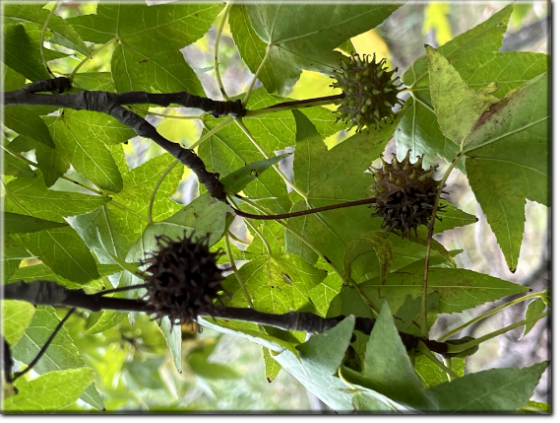
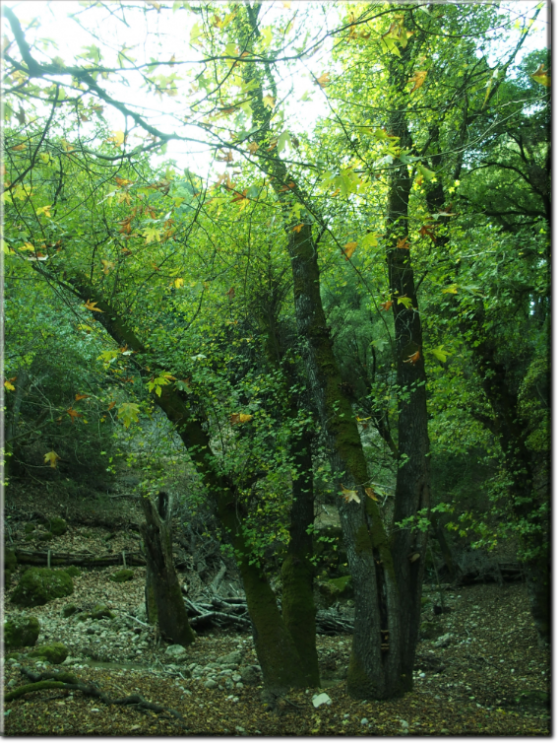
Liquidambar orientalis Mill. (Altingiaceae), commonly known as oriental sweetgum (υγράμβαρη in Greek), is a tertiary relict endemic to the eastern Mediterranean region. Its natural distribution is limited, occurring in Greece, exclusively on Rhodes Island, in southwestern Turkey and naturalized in Cyprus. The largest subpopulation is found at the northern part of Rhodes Island, where it forms a unique riparian forest along a narrow, steep valley, known as the Butterfly valley, which represents an important location at both National and European level. The species is assessed as Critically Endangered (CR) for Europe according to the IUCN criteria. At the National level, oriental sweetgum is protected by the Greek Presidential Decree 67/81 and included in Natura 2000 protected areas (at least in GR4210006-Rodos: Profitis Ilias-Epta Piges-Petaloudes-Remata). Beyond its ecological significance in riparian zones and biodiversity, the species is sensitive to hydrological changes, vulnerable to climate change and anthropogenic activities.
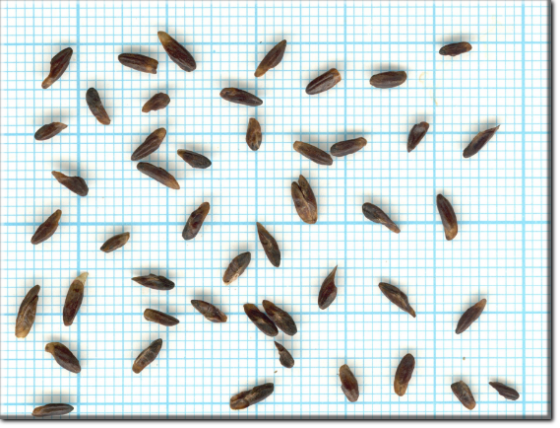
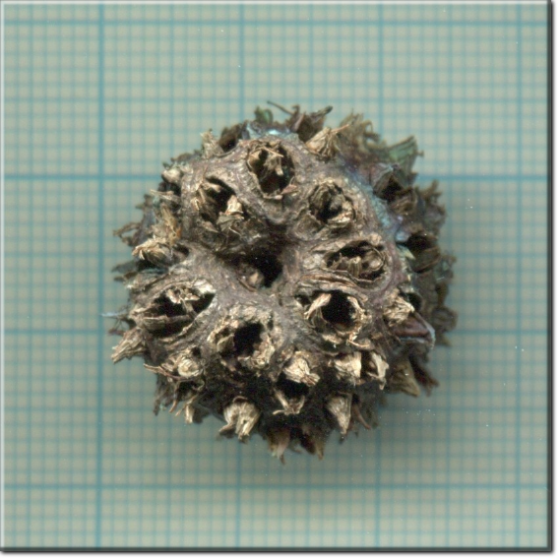
The proposed study aims to acquire valuable data, encompassing the determination of the species' distribution area and population size, as well as the biometric characteristics of monumental trees, serving as a foundational reference for future assessments of the species. Furthermore, this study will enhance ex situ conservation efforts by storing new seed collections from new populations from Rhodes Island into existing safely stored ones. The new knowledge (i.e. seed germination under optimal temperature and light regimes, seed storage-viability and seedling growth) along with the seed collections will play a pivotal role in safeguarding the species and facilitating in situ restoration, especially in the face of potential declines (e.g. tourism impact, drought, or wildfires). Finally, the awareness-raising actions planned within the project will enhance local people's further contribution to the rare species’ conservation.
The project has a duration of 12 months and is expected to be completed in June 2026.
The research team consists of: Dr. Katerina Koutsovoulou, Postdoctoral Researcher-Biologist (Scientific Coordinator), Dr. Evangelia N. Daskalakou, Research Director at the Institute of Mediterranean Forest Ecosystems, Hellenic Agricultural Organization "DEMETER" (Host Institution Coordinator, e-mail: edaskalakou@fria.gr, http://www.fria.gr/), Dr. Kostas Ioannidis, Research Assistant (Deputy Host Institution Coordinator), Dr. Spyridon Oikonomidis, Biologist, Researcher at the Department of Biology, National and Kapodistrian University of Athens (NKUA), and Professor Emeritus Costas A. Thanos, Department of Biology, NKUA.
The project is supported by the National Environment & Climate Change Agency (N.E.C.C.A.) under the 2nd Call "Actions to protect, conserve and promote biodiversity - Field studies of endemic, endangered and nationally important species of Greece” (Project Number: 27994 and Acronym: Ygramvari).